


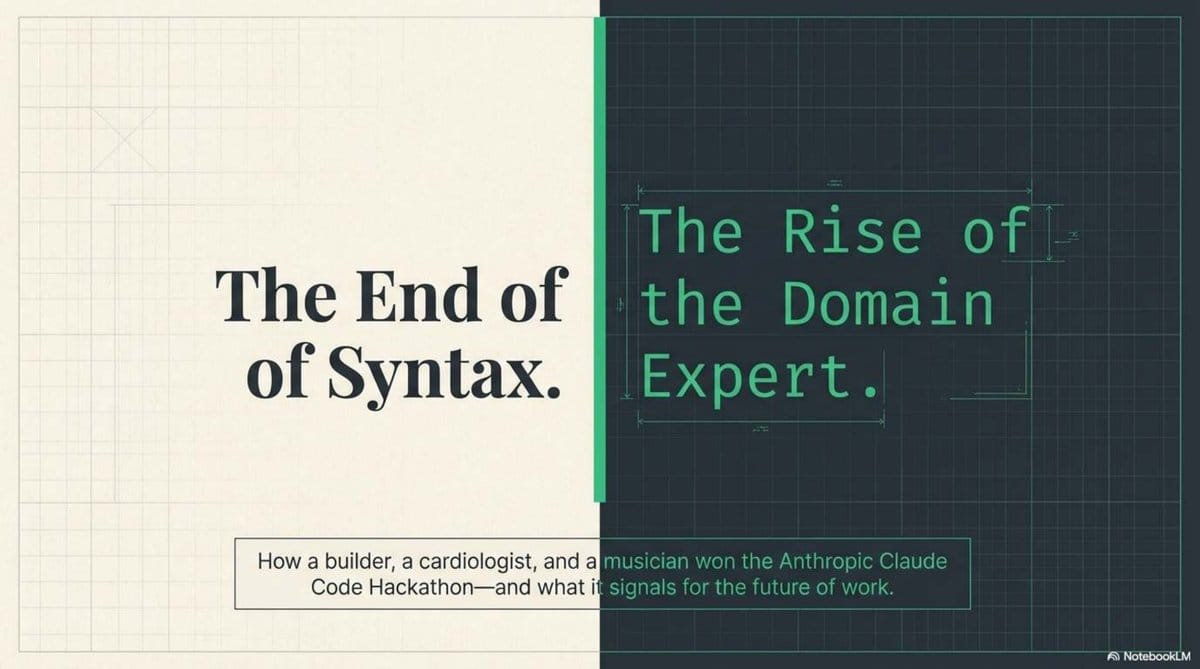
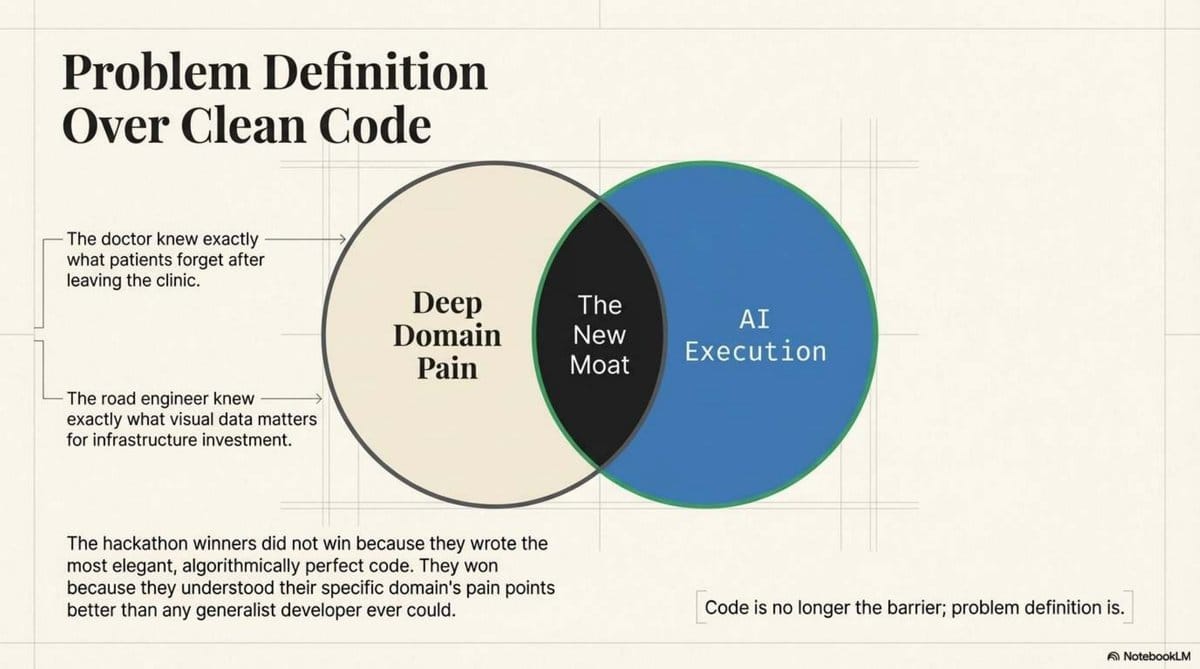
TL;DR: The era of coding as a moat is over. At Anthropic's elite hackathon, a lawyer and a doctor outperformed experienced developers. Their secret was not syntax mastery, but domain expertise amplified by AI. This is the new competitive advantage: deep domain knowledge combined with AI-native execution.
🎙️ Podcast: Domain experts are the new developers
📺 Video: Hackathon Experts Beat Coders
📑 Slides: The End of Syntax
📄 Briefing Doc: The End of Coding as a Moat
📄 The End of Coding as a Moat (Technical Analysis)
The End of "Coding" as a Moat: Why a Lawyer and a Doctor Just Won an AI Hackathon
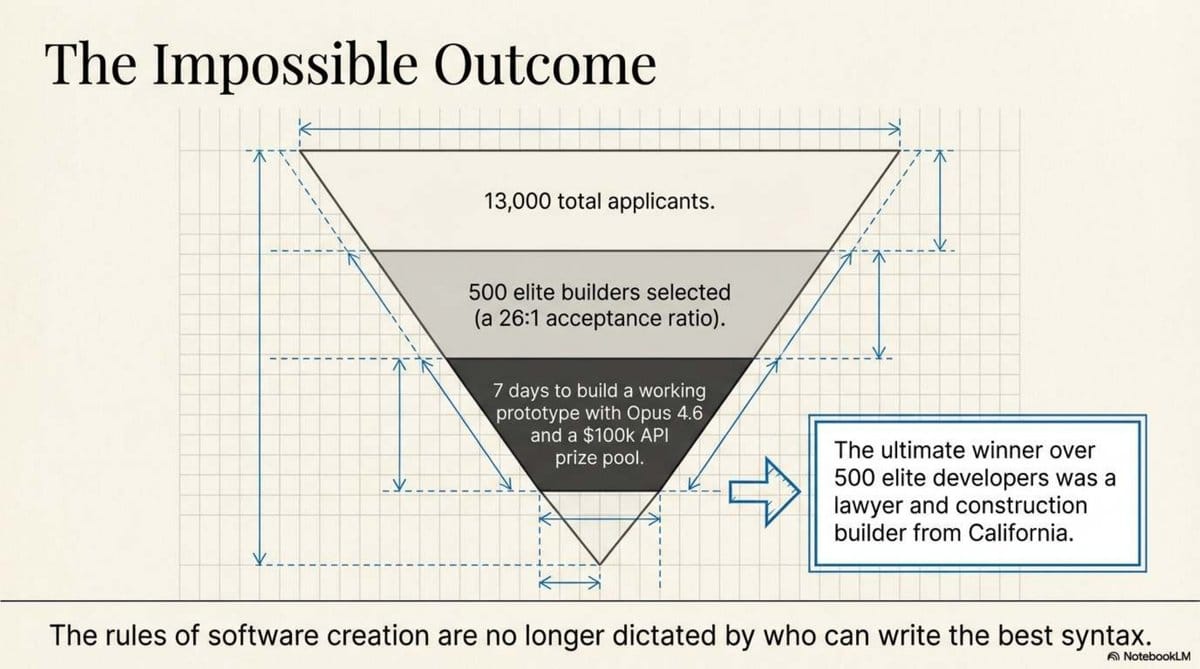
In February, the technology industry gathered for what was billed as the "Developer Olympics." Anthropic’s "Built with Opus 4.6" hackathon was a high-stakes arena with a brutal 26:1 rejection rate—13,000 applicants vied for just 500 spots. The assumption among the elite builders present was that the winners would be the most sophisticated full-stack engineers from Silicon Valley.
The reality was a structural shock to the profession. The developer’s moat didn't just leak; it evaporated overnight.
When the dust settled, the top prizes weren’t claimed by career coders, but by a California lawyer, a cardiologist from Belgium, and a road engineer from Uganda. As an anthropologist of product, I see this not as a fluke, but as the moment the technical barrier to entry finally collapsed. In the age of agentic AI, "domain expertise" has officially replaced syntax as the ultimate competitive advantage. We are witnessing the shift from humans learning the language of machines to machines finally learning the language of human industry.
Takeaway 1: Domain Expertise is the New High-Ground
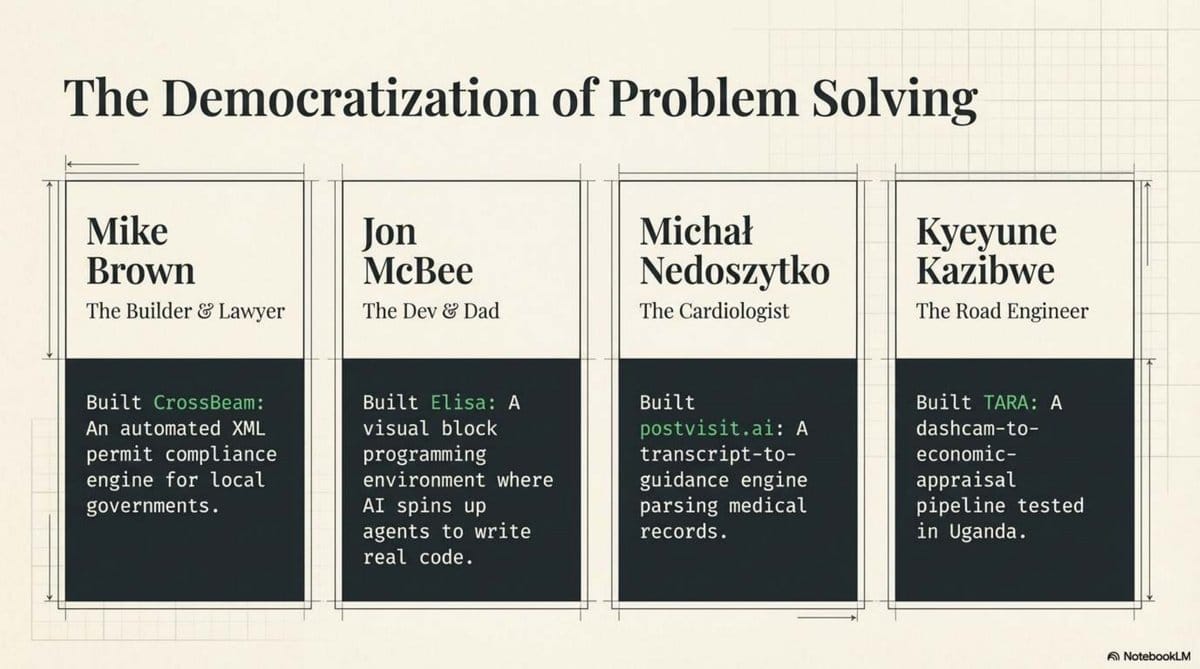
The 1st place winner, Mike Brown, and the 3rd place winner, Michal Nedoszytko, prove that the "Hybrid Domain Expert" is the new apex predator of the tech economy. These individuals didn't win because they were the fastest at typing Python; they won because they were the most intimate with professional suffering.
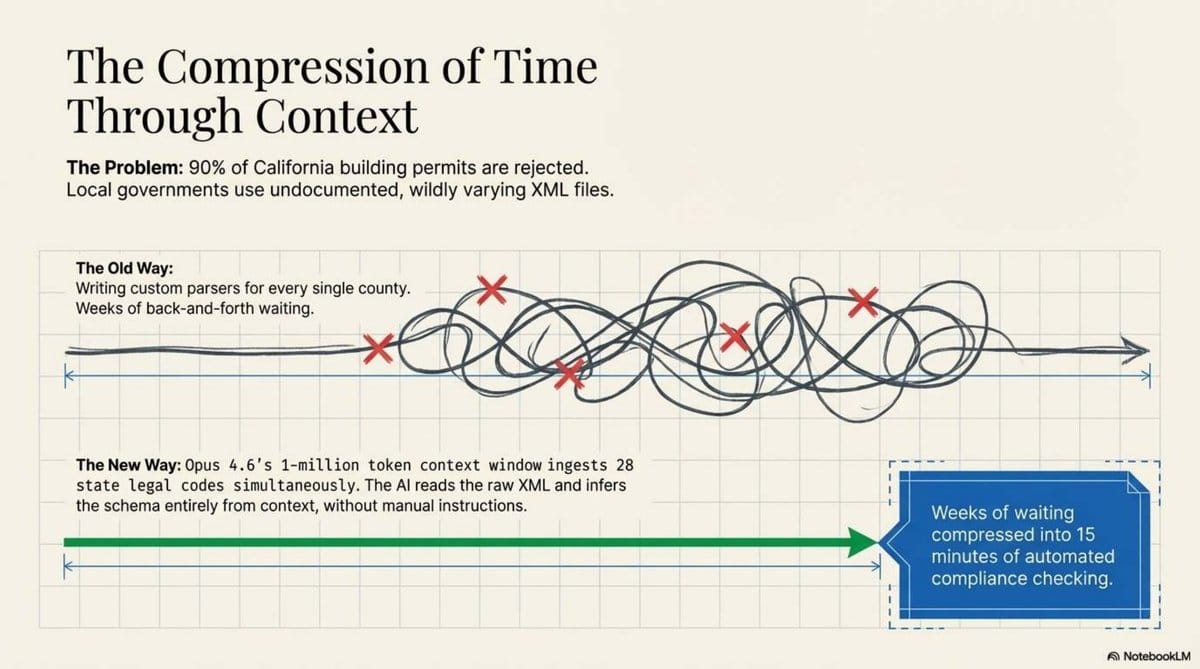
- The Lawyer-Builder’s "Permitting Hell": Mike Brown is a "hybrid" in the truest sense—a California lawyer and an active builder. He understood that 90% of architectural permits in California are rejected for corrections, a process that stalls housing for months. He built CrossBeam to solve the "permitting hell" he lived every day.
- The Cardiologist’s "Jargon Gap": Michal Nedoszytko, a cardiologist, built postvisit.ai to solve the confusion patients feel the moment they leave his office. Remarkably, he built the application during hospital night shifts and on a long-haul flight from Brussels to San Francisco.
Their advantage was "grounding." A generalist developer looks for a problem for their tech; these winners found tech for a problem they already owned. They "knew exactly what to build" because they possessed the deep, non-standardized knowledge of their respective fields.
Takeaway 2: The Power of the 1-Million Token Context (Vibe-Parsing the Law)
The technical "unfair advantage" in this competition was the 1-million token context window of Opus 4.6. This is no longer a "chat box"; it is a massive data bucket that allows AI to ingest raw reality.
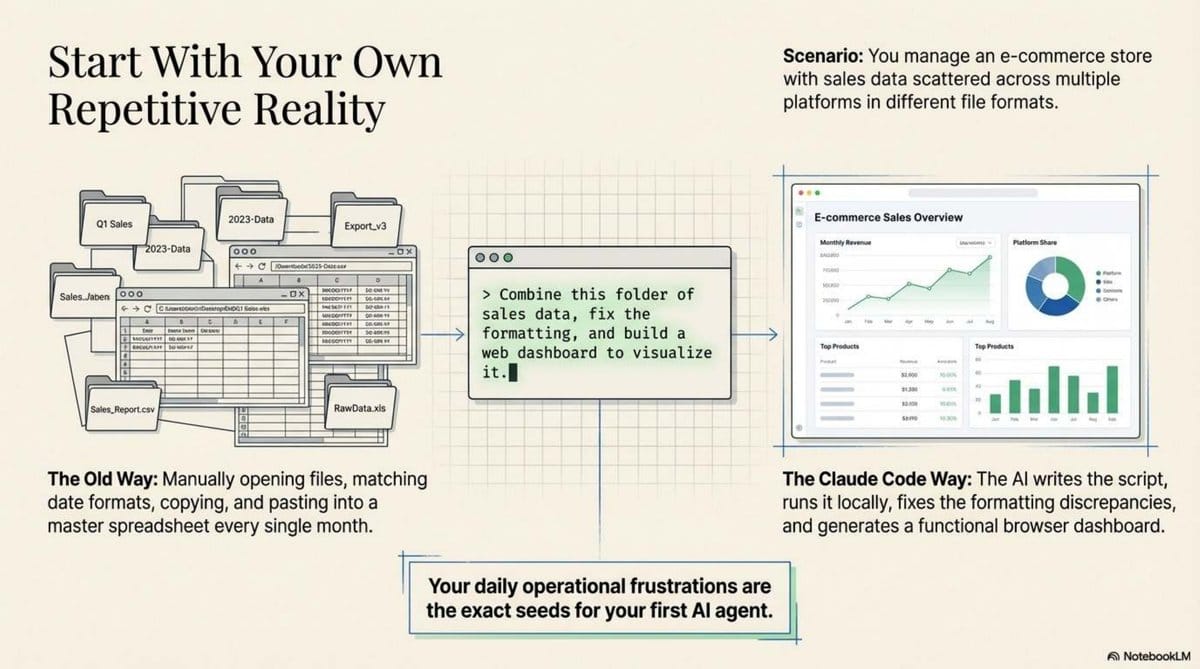
A generalist coder would have spent weeks building custom parsers to handle the inconsistent XML data across different California counties. Mike Brown’s project, CrossBeam, used Claude Code to infer meaning from underdocumented, non-standardized XML files. Instead of manual mapping, the model "vibed" the data structure—looking at the surrounding fields to determine that permit_issue_dt in one county meant the same thing as a differently named field in another.
The Compliance Revolution: * The Old Way: Builders spend weeks manually cross-referencing thousands of pages of local ordinances and architectural plans to ensure compliance. * The AI Way: Using Claude Code, CrossBeam ingested 28 separate California legal codes simultaneously. The model analyzed architectural plans against these laws, automating a weeks-long manual review into a 15-minute compliance report.
Takeaway 3: The Democratization of Problem Solving Across Borders
The most profound anthropological shift was seen in the "Keep Thinking" prize winner, Kyeyune Kazibwe. A road engineer in Uganda, Kazibwe built TARA, an application that turns dashcam footage into infrastructure investment recommendations.
Kazibwe had no team and no budget. He tested TARA on an actual road under construction in Uganda, proving that the "moat" of venture capital is being bypassed by raw utility. We also saw this democratization in the 2nd place project, Elisa, a visual programming environment where the first user was the creator’s 12-year-old daughter.
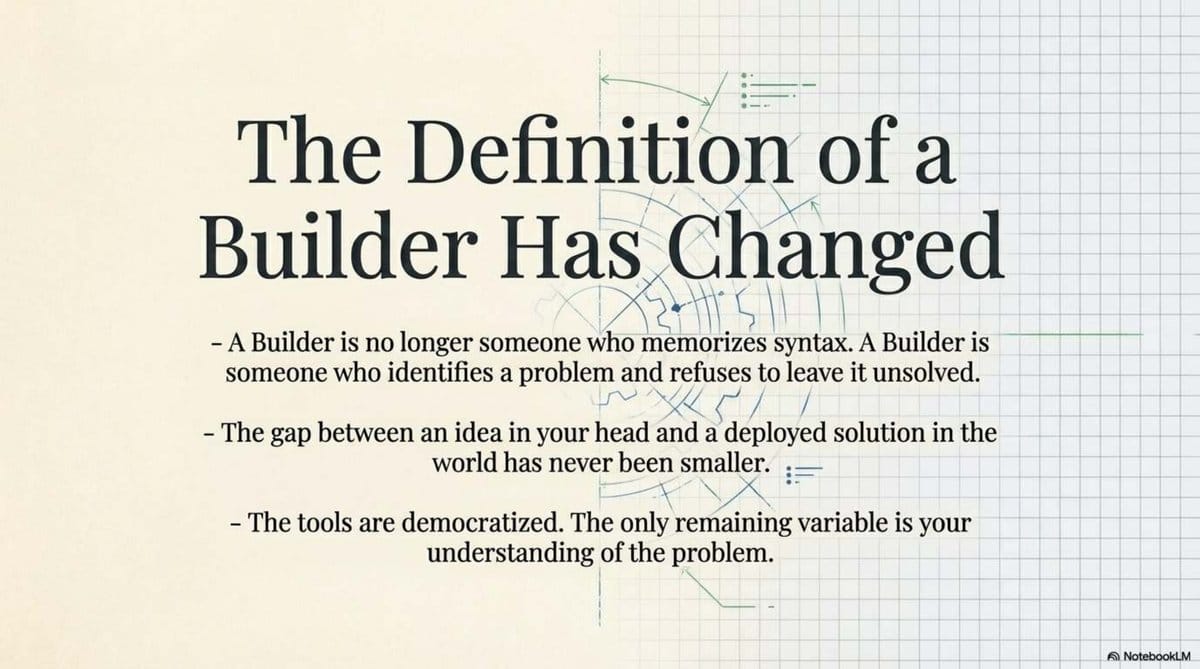
As the hackathon organizers noted, this represents a world where "who has access" to the tools is more important than who has the budget. We are entering an era where Claude can help us leave no problem unsolved, regardless of geography or seniority.
Takeaway 4: The Rise of "Vibe Coding" and the Middle-Tier Squeeze
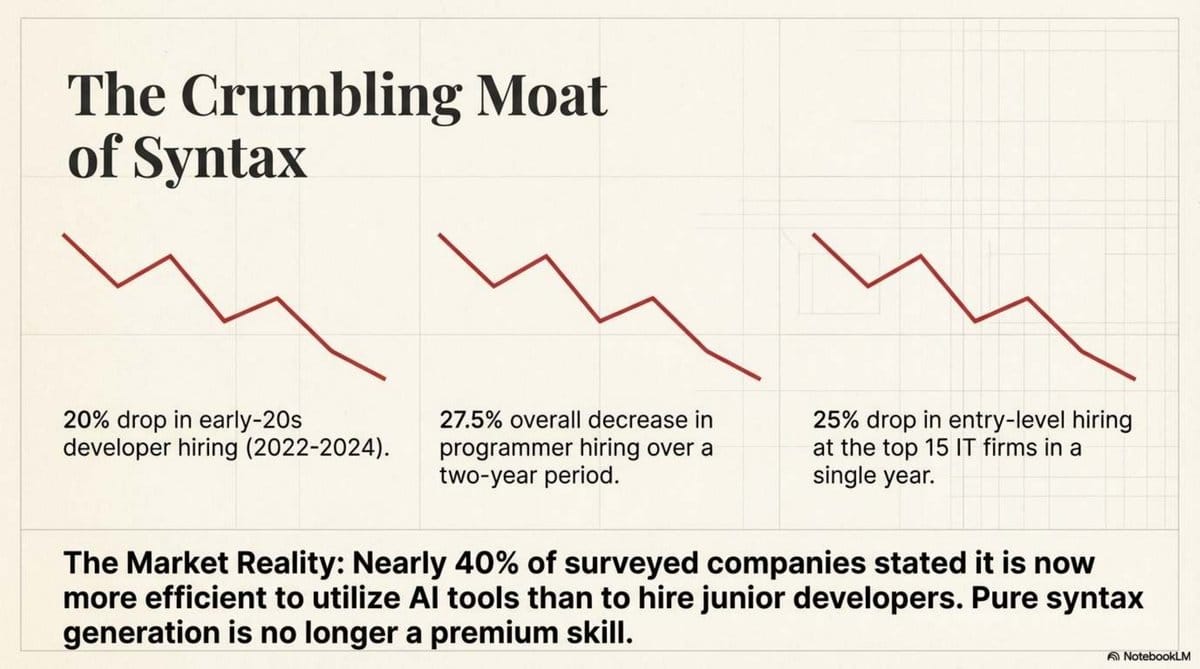
The success of these non-coders correlates with a sobering economic reality: total programmer employment has decreased by 27.5% in the last two years, with junior developer hiring dropping by 25% at major firms.
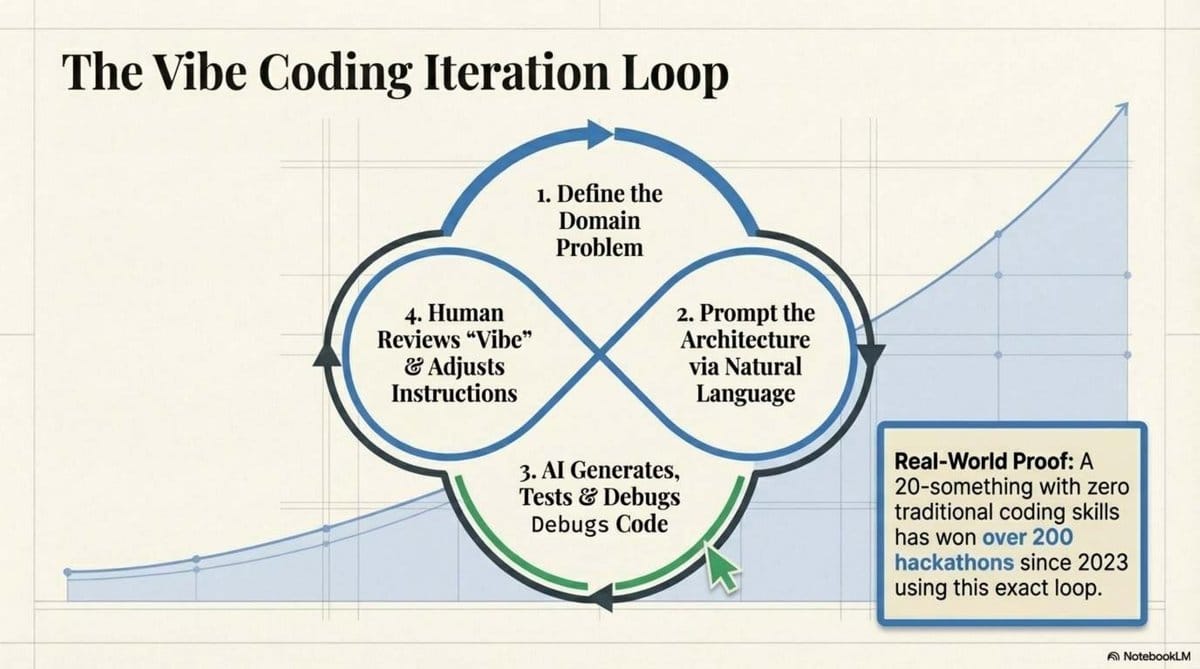
We are seeing the rise of "Vibe Coding"—the practice of instructing AI via natural language and intent rather than manual syntax. This has given rise to stories like the 20-something in San Francisco who has won over 200 hackathons by "vibing" his way through AI prompts.
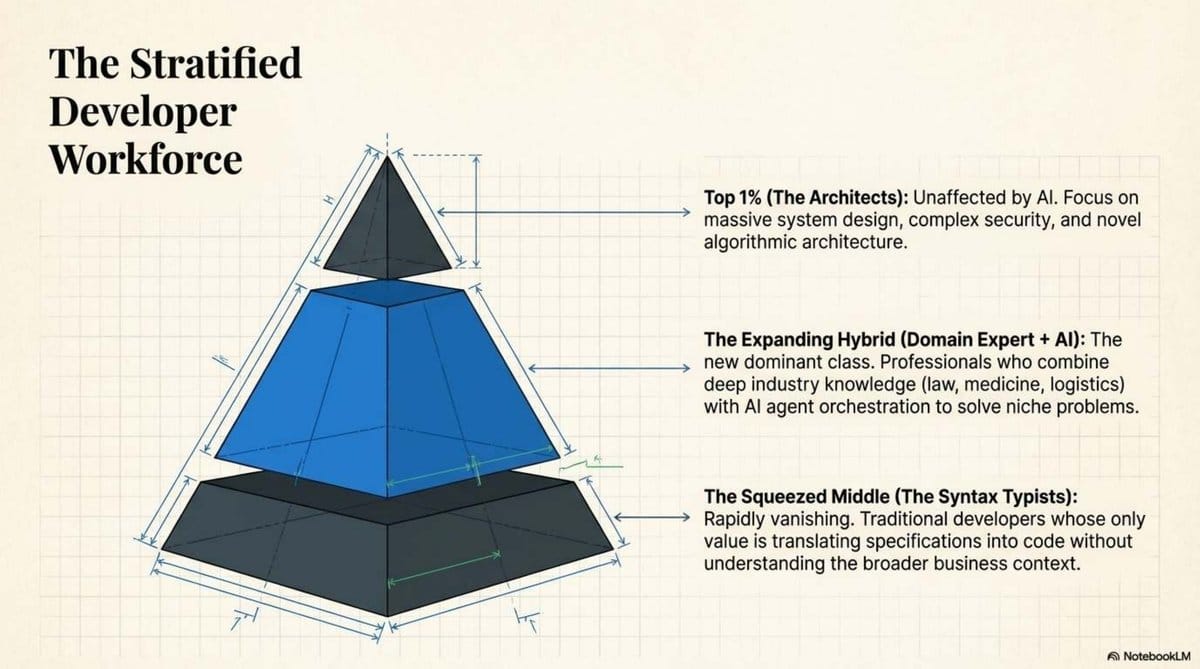
This is creating a "disappearing middle" in the labor market: 1. Top-Tier Architects: Experts designing complex, secure, and original systems. 2. Hybrid Domain Experts: Professionals like the lawyer-coder who use AI to solve specific, high-value industry problems. 3. The Squeezed Middle: Average coders who primarily translate logic into syntax. These roles are being consumed by AI that doesn't need a lunch break.
Takeaway 5: Why Claude Code is an "Agent," Not a Chatbot
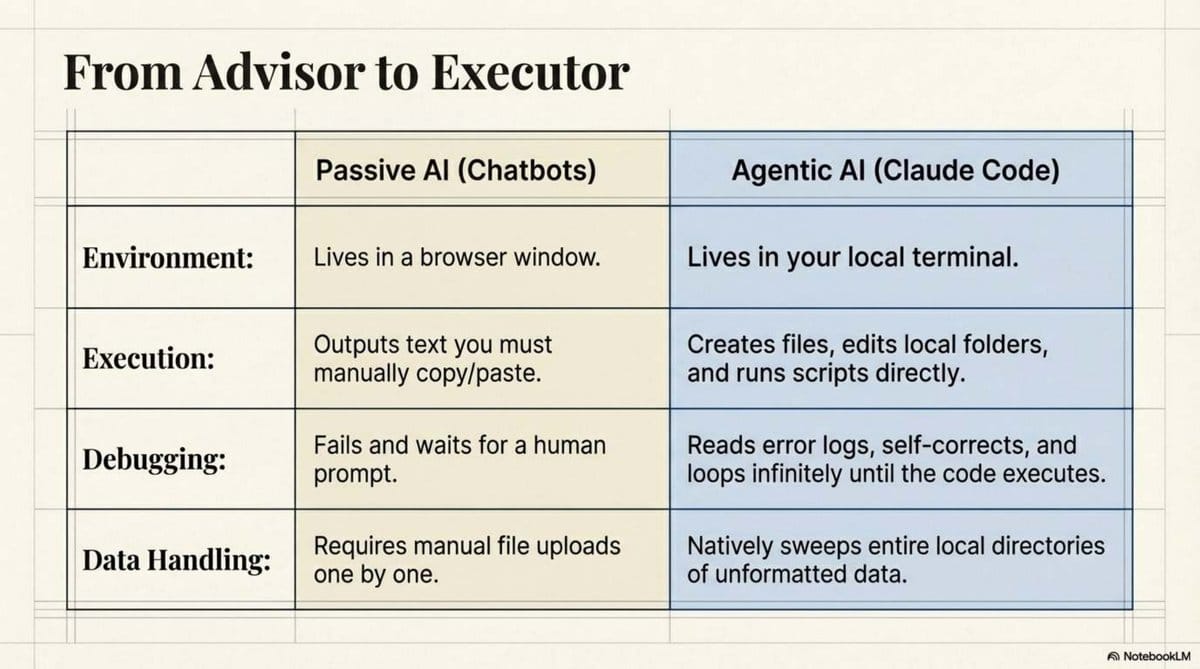
The hackathon participants highlighted that the jump in accuracy came from the fact that Claude Code is a true Agent. It does not live in a browser window; it lives in the local terminal on the user's computer.
Generic interfaces break down when the context is "narrow and weird," such as specialized legal forms or medical transcripts. Claude Code succeeded because it wasn't just "talking" about code; it was executing it, identifying its own errors, and fixing them autonomously until the task was done. By grounding the model in real domain artifacts—actual permit forms and policy documents—the accuracy jumped from "interesting experiment" to "enterprise utility."
Conclusion: What is Your Moat?
The "Built with Opus 4.6" hackathon proved that coding is rapidly becoming a utility, much like word processing. While the technical skill of writing lines of code is being commoditized, the ability to define a meaningful problem is more valuable than ever.
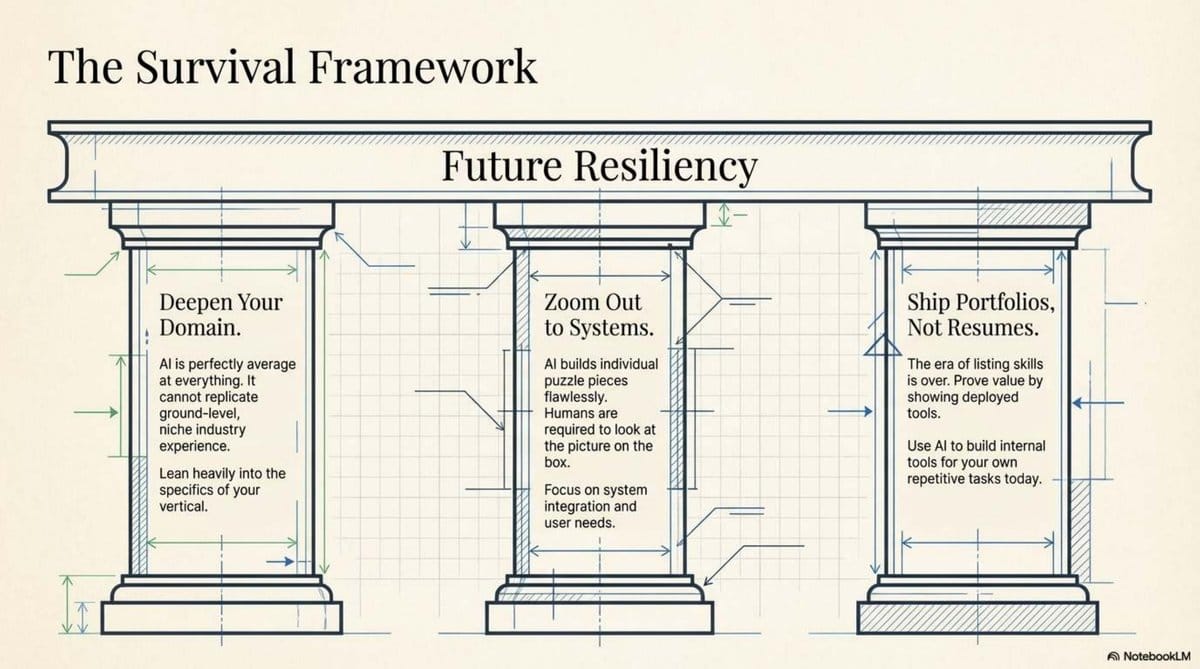
The technical moat—the years spent learning syntax—is gone. The new moat is your unique understanding of a specific, complex, and perhaps "boring" field.
Look at your own profession. What is the most frustrating, repetitive, or underdocumented problem you face daily? In a world where the technical barrier to building has vanished, that problem is no longer a nuisance. It is your next massive opportunity. The question is no longer "Can you code?" but "Do you actually understand the problem?"
🔗 References
- Research analysis synthesized from industry reports and corporate announcements
- Anthropic AI Hackathon results and participant interviews
