


🎙️ Podcast - Audio Summary
📺 Video Summary
📑 Slides
📝 Deep Dive: Thinking Like the Top 1%: Mastering the AI-Native Mindset
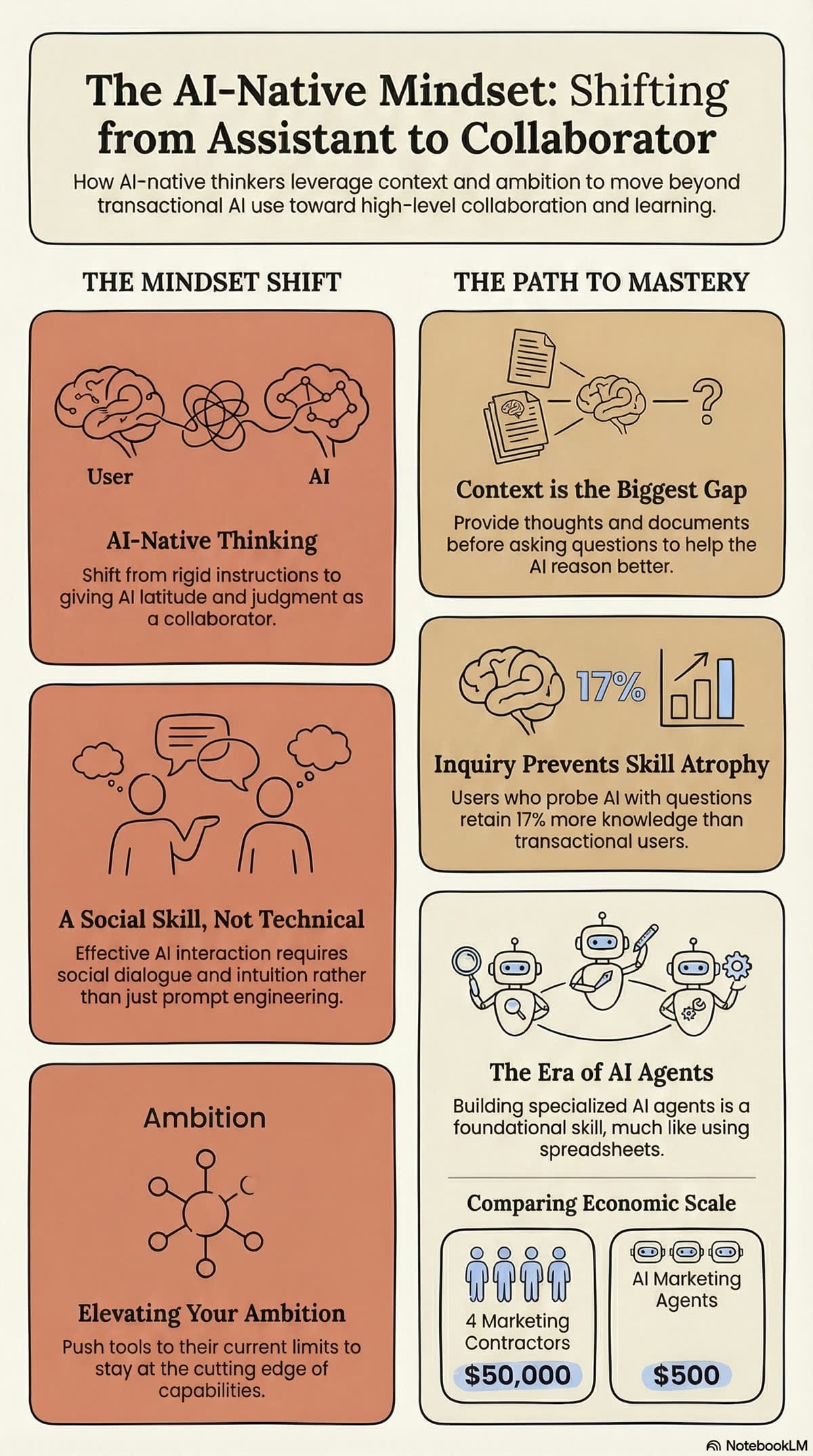
The era of the "prompt engineer" is already dead. While the masses are still stuck in a 2022 mindset—treating artificial intelligence like a glorified search engine or a digital intern—the "AI Native" understands we have birthed a new species of collaborator. According to Drew Bent, Head of Education at Anthropic, the top 1% of users aren’t looking for a step-by-step playbook; they are developing the social skills required to partner with a non-human intelligence.
We are currently utilizing perhaps 1% of the true potential of these models. To bridge that gap, you must stop "handholding" the technology and start elevating your ambition. The transition from a transactional user to an AI Native isn't just a technical upgrade—it’s a cognitive evolution.
1. Beyond the Chatbot: The Cognitive Inversion
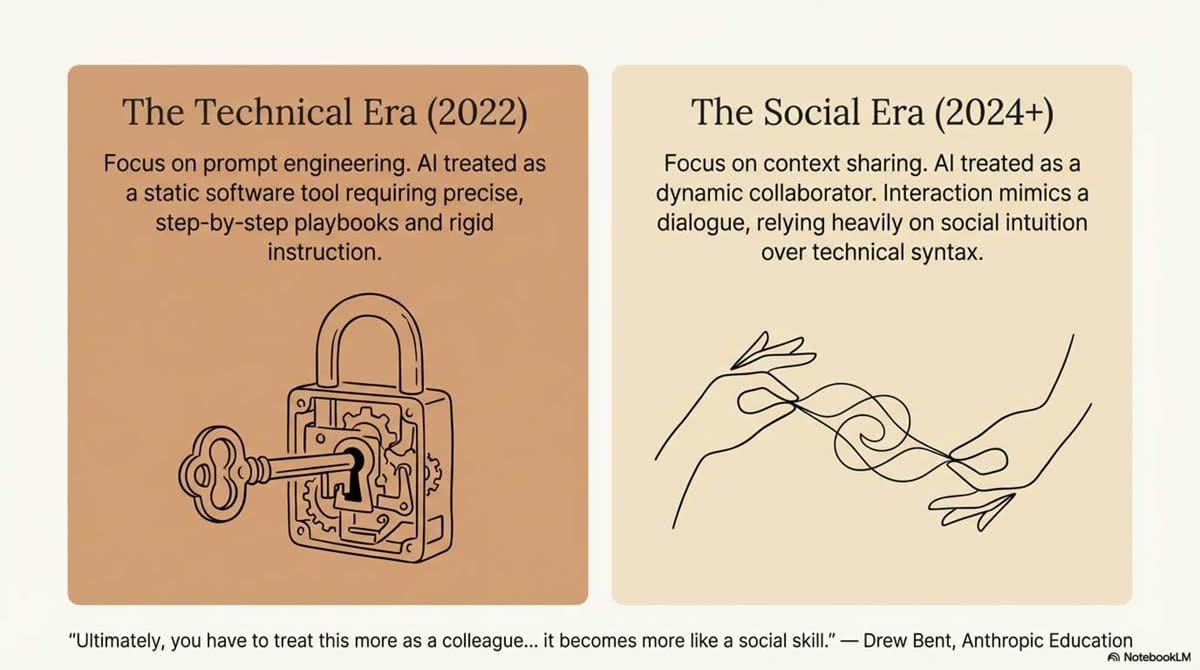
Mastering AI is no longer a technical hurdle; it is a social one. We have spent 15+ years in school learning how to interact with other humans, yet we expect to master a "new species" of intelligence in a few afternoons. Mastery requires a fundamental shift in how you view the hierarchy of work.
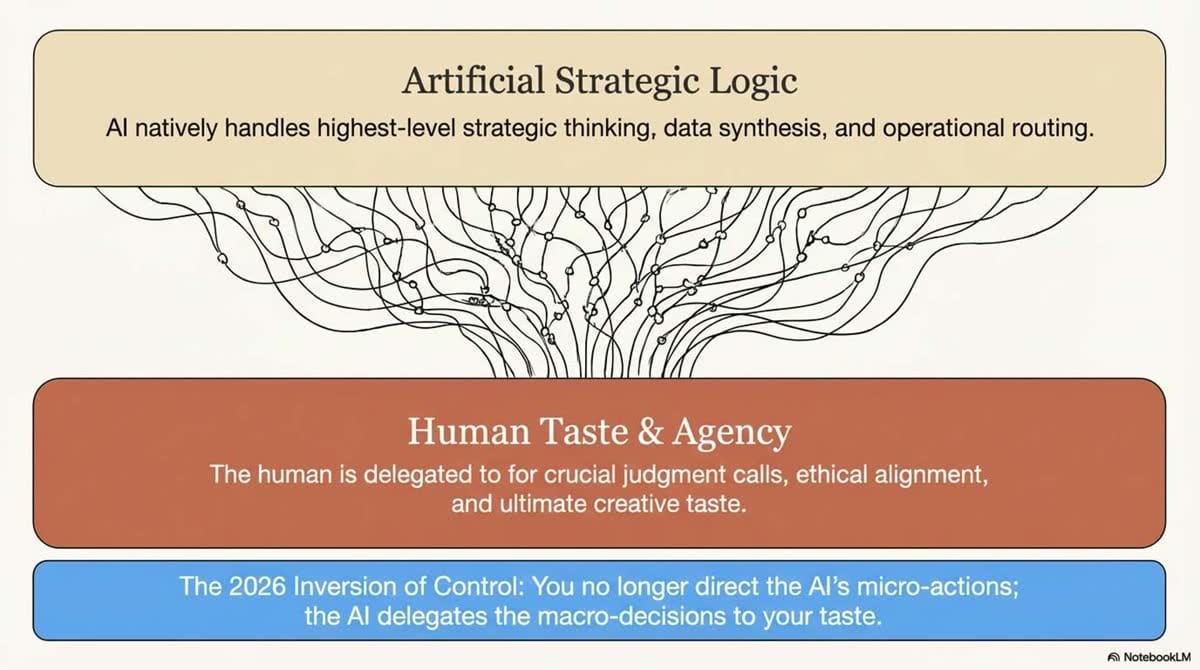
THE INVERSION OF CONTROL In the emerging Agentic Economy, the traditional power structure is flipping. We are moving toward a model where the AI handles high-level strategic thinking and complex reasoning, while the human collaborator provides the "North Star": Taste, Agency, and Final Judgment. You are no longer the builder; you are the architect of intent.
To join the Top 1%, you must abandon transactional habits for inquiry-based collaboration:
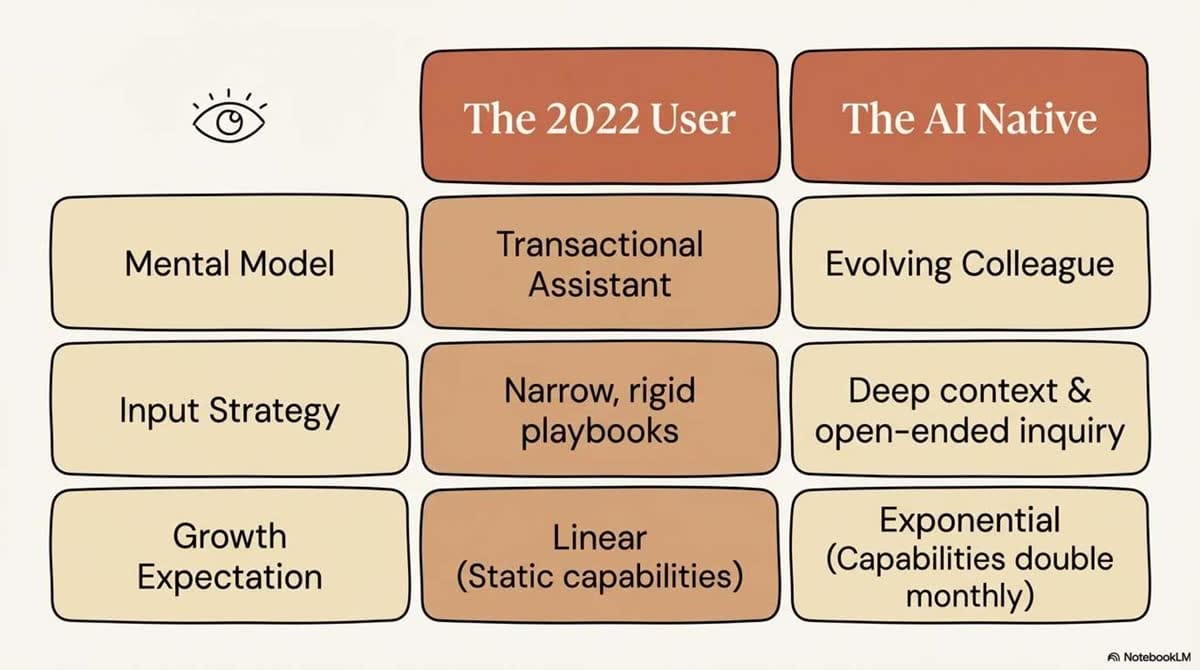
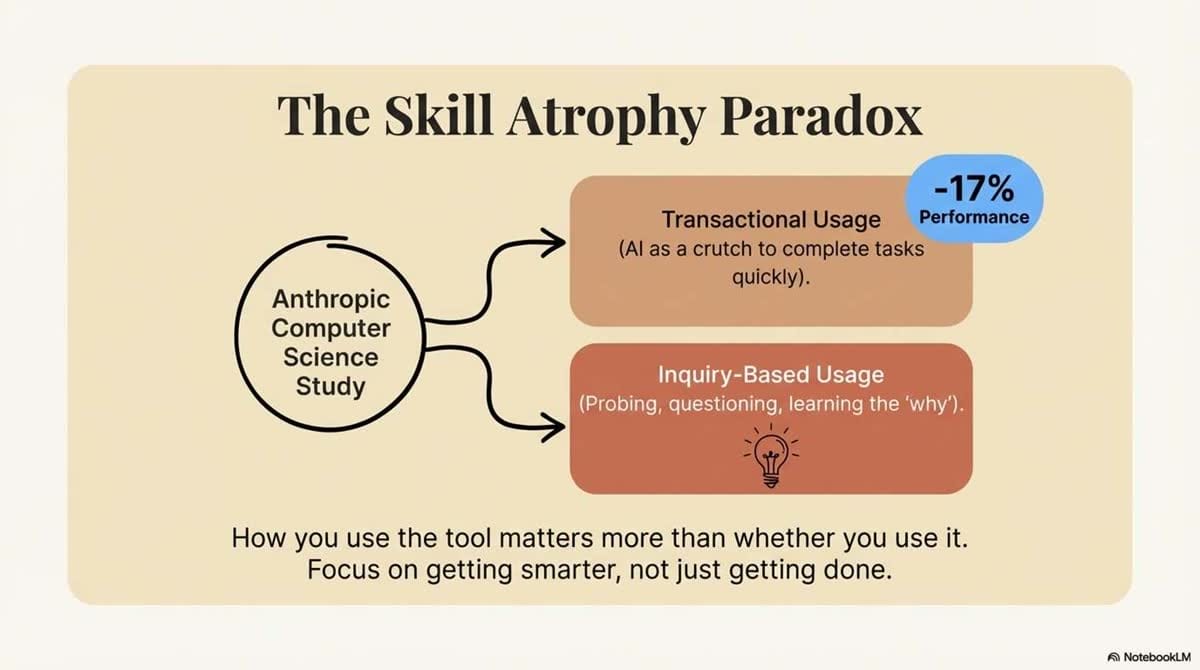
- Transactional Use (The 2022 Mindset): Approaching AI with a pre-defined solution and asking narrow questions to finish a task quickly. This leads to "handholding" the model and results in significant skill atrophy.
- Inquiry-based Use (The AI-Native Mindset): Approaching AI with a "hairy," open-ended problem. You wrestle with the logic, probe the AI’s reasoning, and treat the interaction as a high-level dialogue to improve both the output and your own understanding.
2. The Context Gap: Solving the "Linear Mindset" Problem
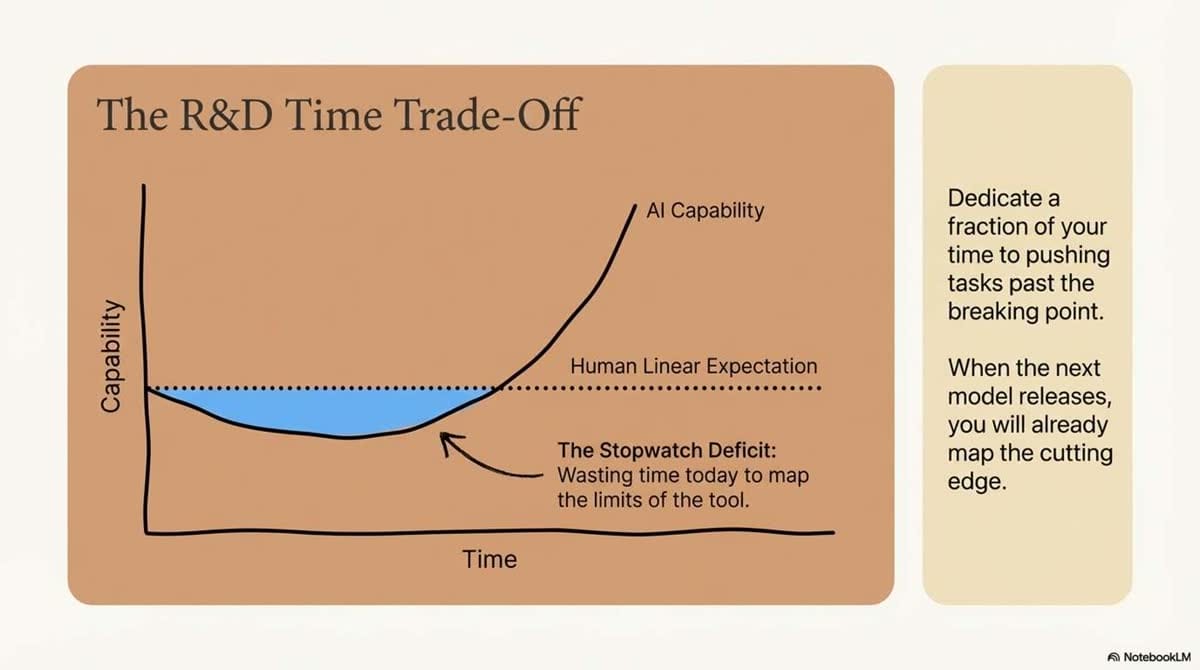
The biggest barrier to AI performance isn't the model—it’s the user’s lack of context. Humans are wired to think linearly, but AI capability is growing exponentially. We often treat AI like a colleague who has the same skills they had last month, failing to realize their power may have doubled in that time.
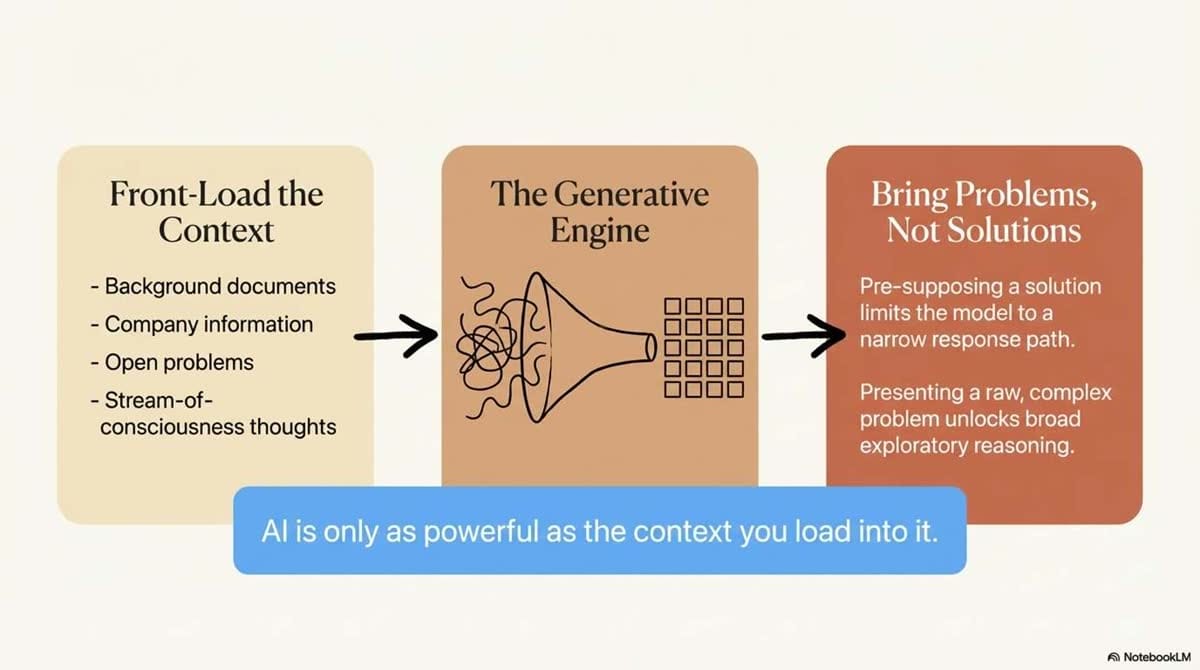
AI models cannot "reason through the world" in a vacuum. They require your internal logic. Drew Bent’s high-performance method involves "flooding" the model with massive context before a single instruction is given:
- Deep History: Uploading every relevant document you’ve previously written.
- Company DNA: Providing the full background of your organization and its unique goals.
- Stream of Consciousness: Dictating or writing a raw brain dump of your current thoughts, fears, and messy logic regarding a problem.
By providing this "Cognitive Map," you allow the AI to move from generic responses to specialized strategic partnership.
3. Case Study: The 17% Performance Gap and Skill Atrophy
A recent study by Anthropic research fellows focused on coding and computer science education revealed a startling trend. When students used AI as a "transactional crutch," their ability to actually learn the material plummeted.
| Learner Group | Short-term Result | Mastery Assessment (No AI) |
|---|---|---|
| No AI Use | Slower task completion | Baseline Performance |
| Transactional AI | Faster completion | 17% Worse (Skill Atrophy) |
| Inquiry-based AI | Moderate speed | High Mastery (The "Tutor" Effect) |
The Takeaway: If you use AI only to get the answer, you are getting faster but becoming stupider. The Top 1% use AI as a tutor to "slog through" the concepts, ensuring they are getting smarter while the task gets done.
4. 2030 Vision: The Global, Invisible Classroom
As a futurist, Bent sees a world where technology is "invisible." By 2030, the "Personalized" (data-driven) will be secondary to the "Personal" (human-to-human).
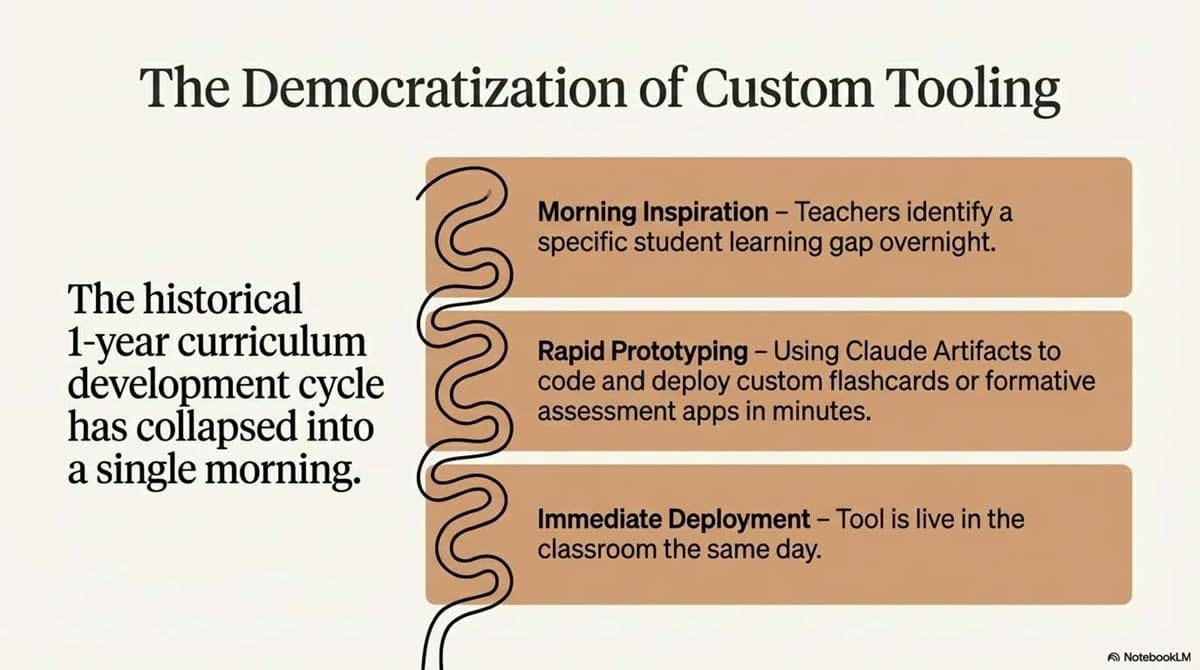
- The WhatsApp Vanguard: Today, an international group of teachers is already living in the future. Using tools like Claude Artifacts, they are building custom flashcard apps and formative assessments overnight—tasks that previously took a year of curriculum development.
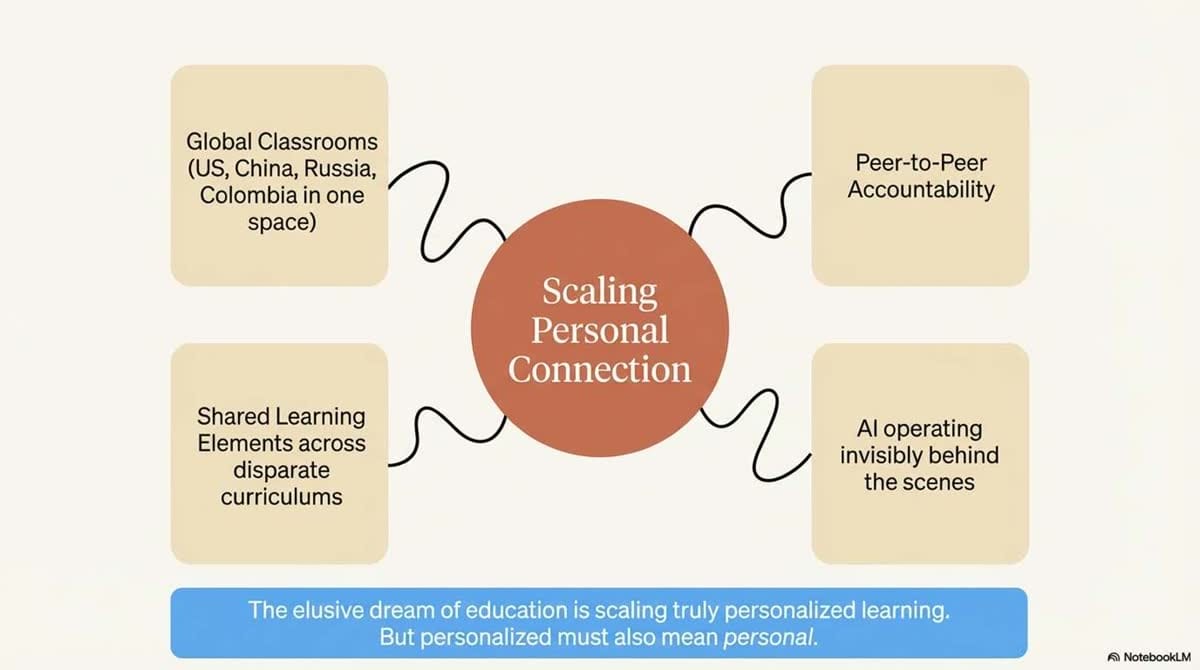
- The Global Community: Platforms like Schoolhouse.world demonstrate that AI scales the logistics so humans can scale the connection. Bent describes tutoring sessions where students from Russia, Colombia, the US, and China all join a single Zoom call to learn together.
- The Human Edge: In 2030, AI will handle the lesson plans and student grouping behind the scenes, freeing teachers to focus on the one thing AI cannot replace: a person who cares about your progress and holds you accountable.
5. The Agentic Standard: Replacing $50,000 with $500
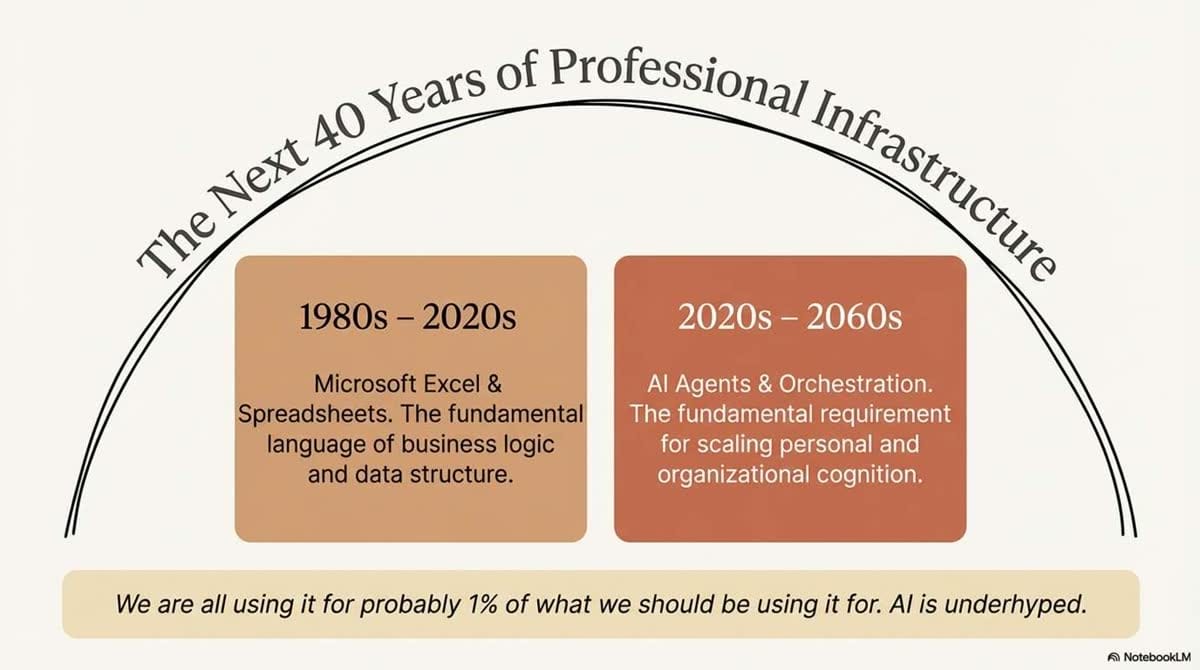
Building AI agents is the fundamental skill that will define every professional's career for the next 40 years. It is the "New Excel"—no longer an optional bonus, but a core requirement for survival in the workforce.
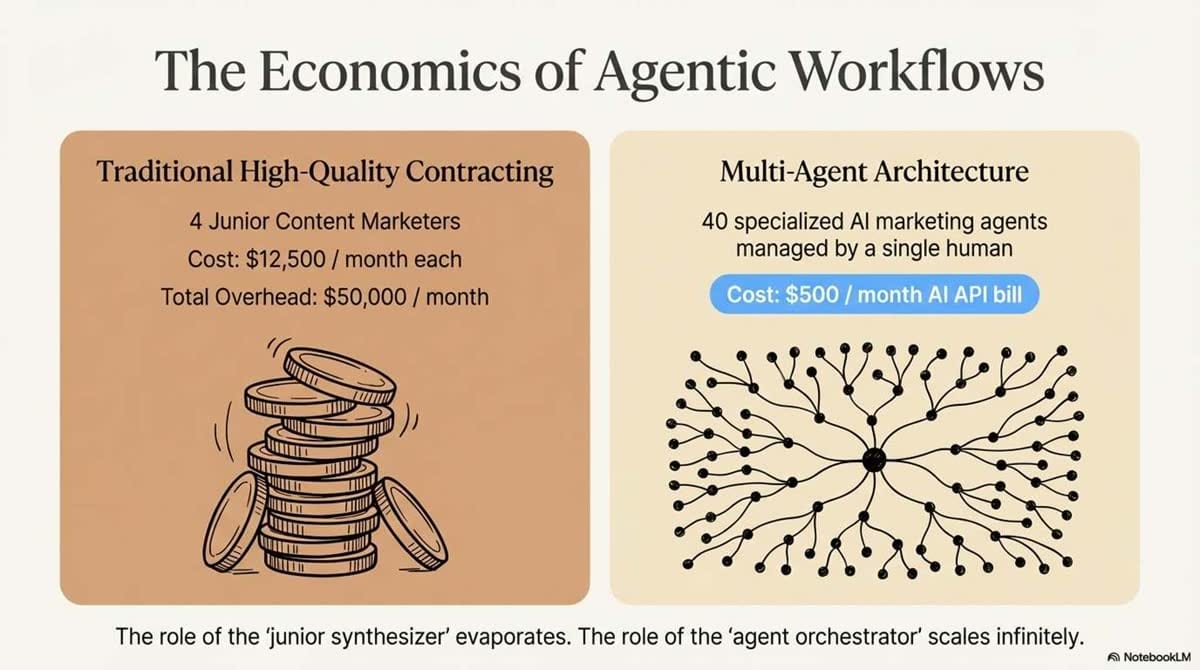
Consider the case of the marketing lead at Related App. By moving from "chatting" to "agent-building," this single professional manages a team of 40 AI marketing agents.
- Economic Impact: These agents perform the work of four high-quality contractors costing $12,500 each ($50,000/month). The AI bill? Just $500.
- Proof of Concept: A single LinkedIn post detailing this "agentic" workflow garnered 1.5 million impressions, signaling a massive hunger for this shift in professional standards.
6. Conclusion: The R&D Mindset
The primary reason AI is "underhyped" is that most users are still treating it as a static tool. To stay at the cutting edge, you must adopt an R&D Mindset.
Bent utilizes the "Stopwatch Activity," acknowledging that using AI can sometimes take longer than doing it by hand initially. However, this is a necessary investment in your own research and development. By pushing the limits of today's models on tasks they can't quite finish, you'll be the only one ready to dominate the moment the next, more powerful model is released.
Actionable "AI-Native" Habits:
- Stop Handholding: Give the AI more latitude to make judgment calls on complex, "hairy" problems.
- Internal Logic Dumps: Never start a project without providing a "stream of consciousness" and background documents to provide context.
- The "Why" Protocol: Use inquiry-based prompts to ensure you are understanding the logic of the solution, not just accepting the output.
- Practice Reps: Dedicate 15% of your week to "wasting time" on AI experimentation (R&D).
- Think in Agents: Identify one repeatable task this week and attempt to build a persistent "agentic" workflow for it.
"We are all using it for probably 1% of what we should be using it for; AI is way underhyped."
📄 Briefing Doc: Technical Analysis
📋 Technical Specifications & Detailed Analysis
Strategic Perspectives on AI-Native Learning and Collaboration
This briefing document synthesizes insights from Drew Bent, Head of Education at Anthropic, regarding the evolving landscape of Artificial Intelligence. It explores the transition from "AI as an assistant" to "AI as a collaborator," the strategic implications for education and professional productivity, and the mental models required to remain at the cutting edge of technological advancement.
Executive Summary
The current technological shift demands a transition from traditional software interaction to an "AI-native" mindset. This evolution moves beyond simple prompt engineering into a realm where AI is treated as a high-level collaborator and colleague. While AI provides unprecedented opportunities for scaling personalized education and professional output, it also introduces risks such as skill atrophy if used transactionally. Success in the next decade will be defined by the ability to provide deep context, maintain an inquiry-based approach to learning, and manage networks of specialized AI agents.
Analysis of Key Themes
1. The Shift to AI-Native Thinking
The document distinguishes between those who use AI as a tool and "AI-native" individuals. AI natives—often those in developing regions or younger generations—view the technology’s current capabilities as a baseline rather than an upgrade of 2022-era assistants.
- From Technical to Social Skill: Early AI usage focused on specific prompting techniques. Today, interacting with AI is becoming a social skill. It requires a dialogue similar to human collaboration, where the user understands the "colleague’s" limitations and strengths.
- Exponential Capability: Unlike human colleagues, AI models improve exponentially. Users often fall into the trap of treating a model based on its capabilities from a month prior, failing to realize the intelligence may have significantly increased in a short window.
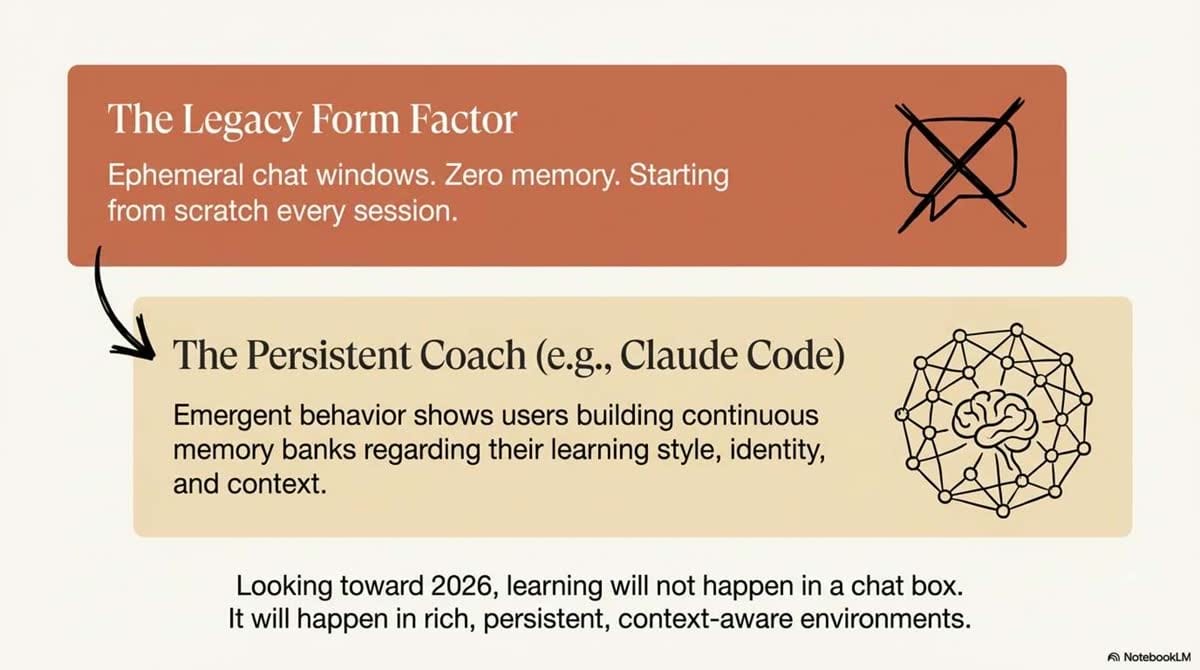
- Inversion of Control: Looking toward 2026 and beyond, the document predicts an "inversion of control" where AI handles high-level strategic thinking while humans provide "taste" and agency.
2. The Context Gap and Problem Framing
The primary differentiator between elite AI users and casual users is the volume of context provided and the nature of the problems presented.
| Dimension | Transactional Use (Low Performance) | Strategic Use (High Performance) |
|---|---|---|
| Problem Type | Simple, step-by-step tasks. | Complex, open-ended, and "hairy" problems. |
| Starting Point | Approaches with a pre-determined solution. | Approaches with a problem to be "wrestled" with. |
| Context | Minimal information or specific questions. | Massive data dumps: docs, company info, stream of consciousness. |
| Latitude | Hand-holding and rigid instructions. | Giving the AI latitude to make judgment calls. |
3. AI in Education: Scaling and Skill Atrophy
The promise of AI in education lies in scaling the "elusive dream" of one-on-one tutoring, previously only available to the wealthy. However, this comes with specific pedagogical risks.
- The 17% Performance Gap: An Anthropic study on coding education found that while AI users finished assignments faster, they performed 17% worse on subsequent unassisted assessments. This "skill atrophy" occurred because the work was handled transactionally rather than conceptually.
- The Inquiry Exception: Students who used AI for "probing" and "asking questions" (inquiry-based) did not suffer the same performance drop, suggesting that how one uses AI determines whether it is a crutch or a catalyst.
- The 2030 Classroom Vision: The goal is a "rich learning environment" where technology operates invisibly behind the scenes. AI will assist teachers in building custom curricula, flashcards, and assessments in real-time, allowing human-to-human interaction to remain the focus.
4. The Agentic Workforce
The document posits that the fundamental skill for the next 30 years is building and managing AI agents. This is compared to the necessity of learning spreadsheets (Excel) 40 years ago.
- Economic Disruption: Junior roles centered on simple transformations (e.g., turning a video into a blog post) are expected to vanish.
- Agent Efficiency: One example provided shows a professional managing 40 AI marketing agents for $500/month, replacing a potential human contractor cost of $50,000/month.
- R&D Mindset: Effective users treat some AI interactions as Research and Development. Even if a task currently takes longer with AI (the "stopwatch activity"), the time "wasted" today is an investment in understanding the limits that will save time tomorrow.
Important Quotes
On the Nature of AI Interaction
"Ultimately you have to treat this more as a colleague as a collaborator and so then it becomes more like a social skill... I think that era is over. We’re done with the days of just like technical like how do you prompt."
On the Underestimation of AI
"We are all using it for probably 1% of what we should be using it for. Here’s what I’ll say: AI is way underhyped."
On Education and Context
"I think where we have to head is a world where this is a real learning companion and it understands where you're coming from... [AI tutors] know the context of your school's curriculum, your state curriculum, and they’re going to be able to tie everything back to that."
On Professional Requirements
"Building AI agents is the fundamental skill that will define every professional's career for the next 30 years... it's a requirement in the same way that knowing how to use spreadsheets like Microsoft Excel was a requirement for the last 40 years."
Actionable Insights
- Adopt an "Inquiry-First" Approach: When using AI for learning or complex tasks, avoid asking for the answer immediately. Instead, use the AI to probe your understanding and "wrestle" with the problem.
- Perform Massive Context Loading: Before asking a question, provide the AI with extensive background information, including previous writings, company culture, and raw "stream of consciousness" thoughts to align its reasoning with your specific needs.
- Raise Your Ambition Level: Constantly push the limits of what you believe the AI can do. If a model fails at a complex task today, retry it with the next model iteration to stay at the cutting edge of what is possible.
- Invest in "Practice and Reps": Dedicate a fraction of your time to experimentation, even if it feels less efficient in the short term. This builds the "social skills" required to collaborate effectively with non-human intelligence.
- Transition from Tool to Agent: Identify repetitive professional tasks and begin building agents to handle them. Shift your role from "executor" to "manager of agents."
